
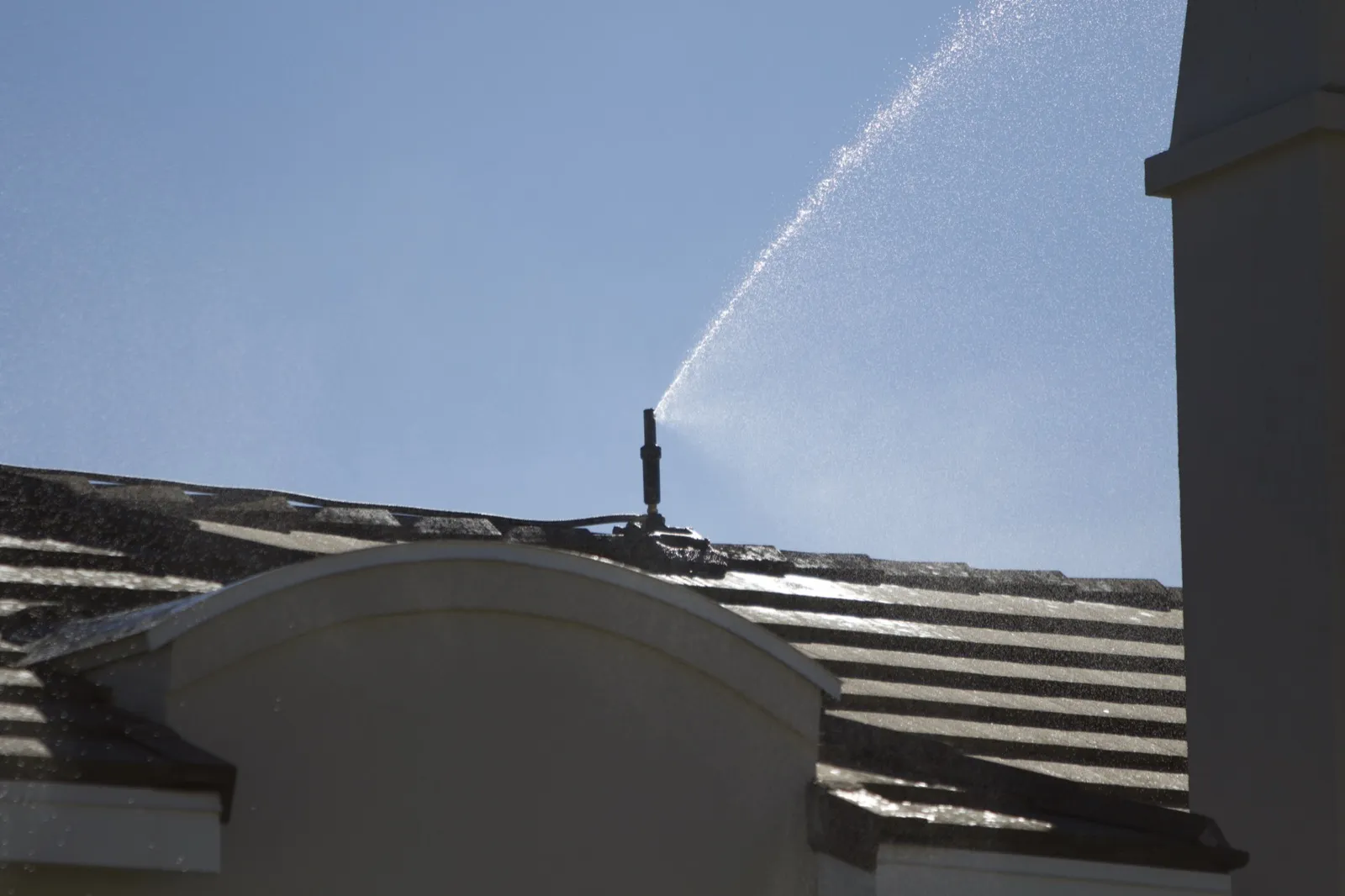
Roof Sprinkler
Covers roof ridges with continuous pre-wetting to lower ignition risk from ember landings.
The Solution
Trident systems are designed to create a temporary defensive microclimate around the structure during wildfire exposure windows. The job is straightforward: keep the highest-risk ignition surfaces and perimeter zones wet enough that embers fail to establish sustained flame spread.
If you are new to active mitigation, start with The Wildfire Problem to understand why passive-only methods are no longer sufficient in high-ember incidents.

Layered Coverage
Covers roof ridges with continuous pre-wetting to lower ignition risk from ember landings.
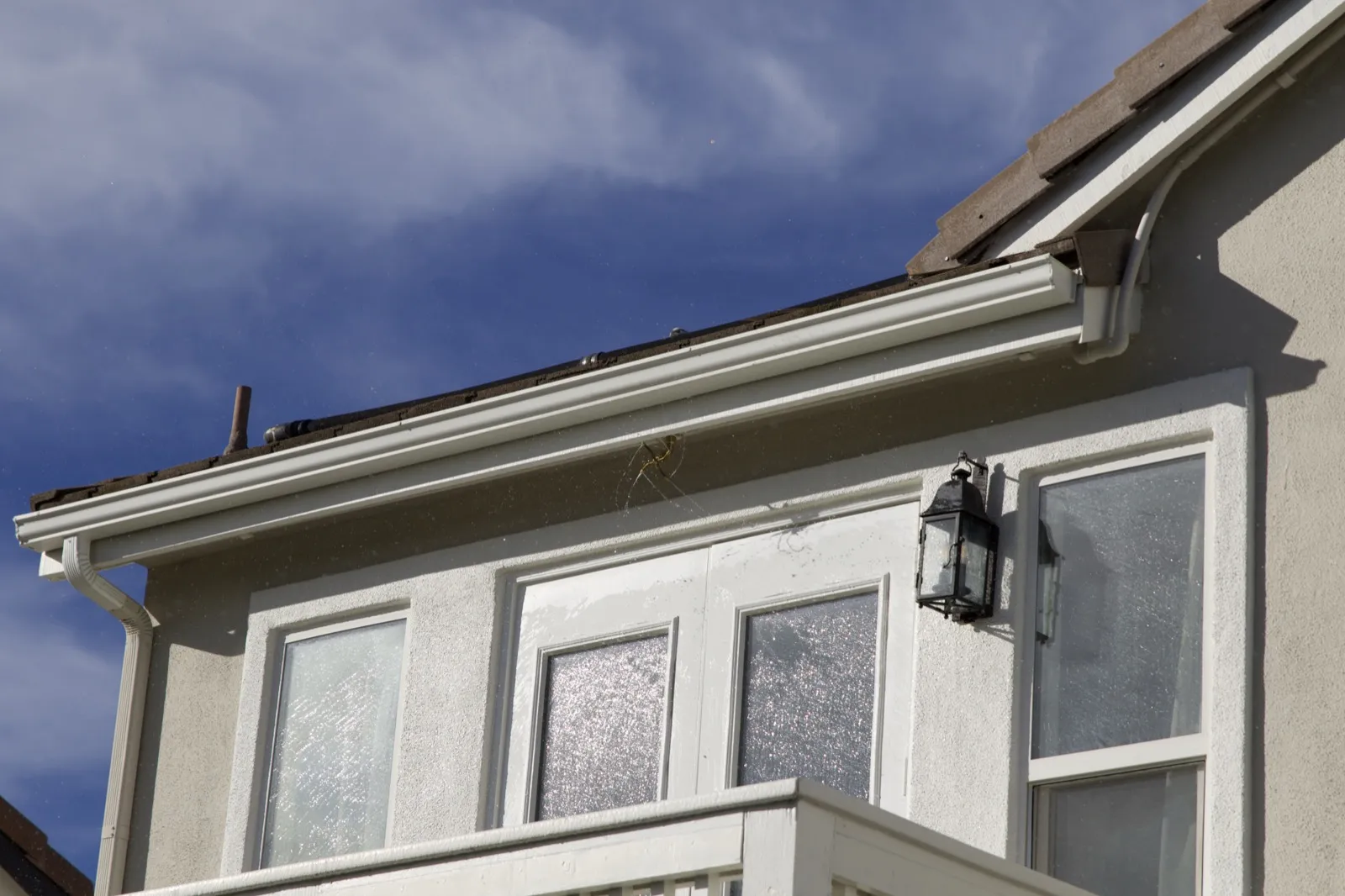
Shields eaves and perimeter edges where embers accumulate and spread into vulnerable zones.
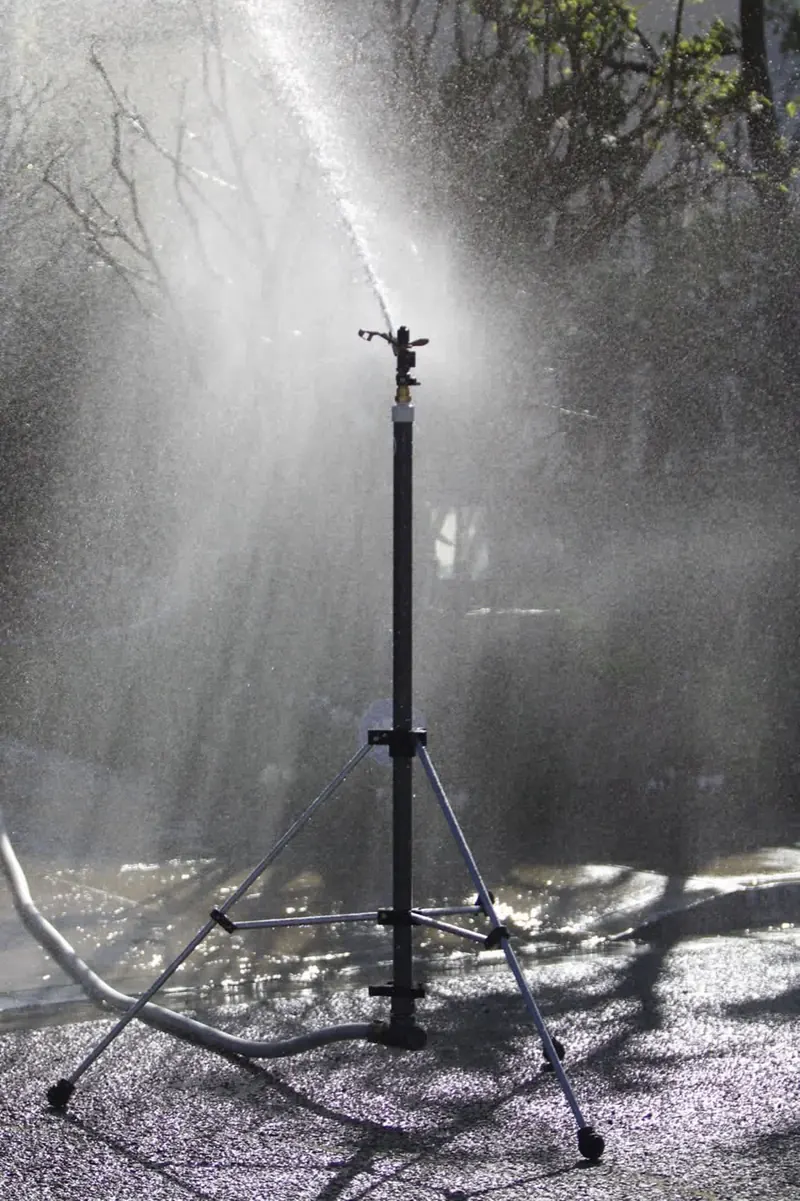
Rapidly deploys targeted ground coverage around high-risk exposures and approach paths.
Instead of relying on one device type, Trident combines roof, eave, and ground-zone coverage so overlapping spray patterns reduce dry pockets around ridges, fascia transitions, approach paths, decks, and vulnerable fuel breaks.
Planning
Water
We sequence coverage around available pressure, stored water, pumping options, and target run time so the activation plan matches the property's real constraints.
Zones
Roof ridges, eaves, transitions, decks, fencing interfaces, and directional exposure corridors are planned first because those surfaces often decide whether ignition takes hold.
Operation
A good system is not just well-built. It also has a clear activation sequence, fallback plan, and operating ownership for red-flag conditions.
For long-term properties, custom installs provide integrated automation and cleaner aesthetics. For immediate readiness, modular kits offer a faster path into active perimeter and roof defense with room to upgrade over time.
Fit
Roof systems are designed for the highest landing areas where embers can accumulate on dry, heated surfaces.
Eave zones create a crucial transition between roof geometry and wall assemblies, making them a frequent location for ignition buildup.
Ground-level targeted spray helps cover approach paths, deck edges, detached structures, and other windward exposures beyond the roofline.
Independent pumping options can help when a property is planning around stored water, pool access, or pressure limitations.
FAQ
It combines roof, eave, and ground-zone coverage so multiple spray patterns reduce dry pockets around the structure as wind direction and fire behavior shift.
Priority usually goes to roof ridges, eaves, transitions, decks, fencing interfaces, and directional exposure zones where embers are most likely to accumulate.
Yes. Both follow the same site-planning logic. Kits offer a faster modular path, while custom installs integrate automation and cleaner permanent deployment.
Because activation timing, water access, run time, zoning, and fallback procedures determine whether the hardware can actually be used effectively during an event.