Continuity
Reduce downtime pressure
Wildfire events can affect operations long before total structure loss. Active defense planning can help protect the places where early ignition would create disproportionate disruption.
Use Case / Businesses
Businesses in wildfire-exposed areas are not only protecting buildings. They are protecting continuity, access, equipment, customer trust, and the ability to operate after an event.
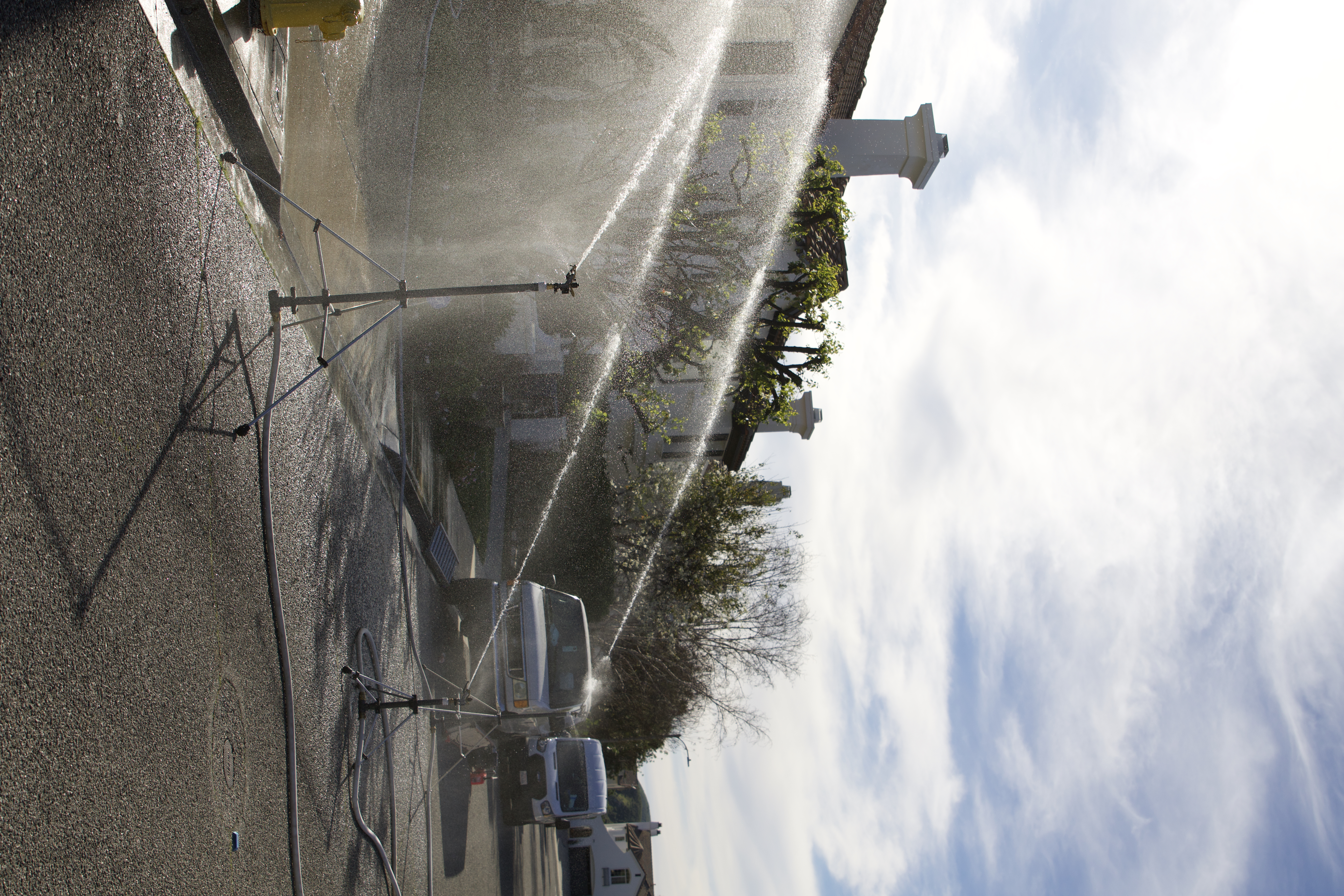
Trident helps business operators think through active exterior wildfire defense in operational terms: which zones matter most, how water access constrains the plan, what can be deployed quickly, and what should be phased over time.
Operational Priorities
Continuity
Wildfire events can affect operations long before total structure loss. Active defense planning can help protect the places where early ignition would create disproportionate disruption.
Layout
Many business properties include more than one building, edge condition, or equipment area. That makes zone sequencing and water planning more important from the start.
Phasing
Light commercial properties often need phased rollout plans so critical areas can be protected first while broader site work is planned over time.
Planning Model
Building edges, access routes, storage interfaces, decks, detached structures, and directional exposure corridors are often the first places a business needs to assess.
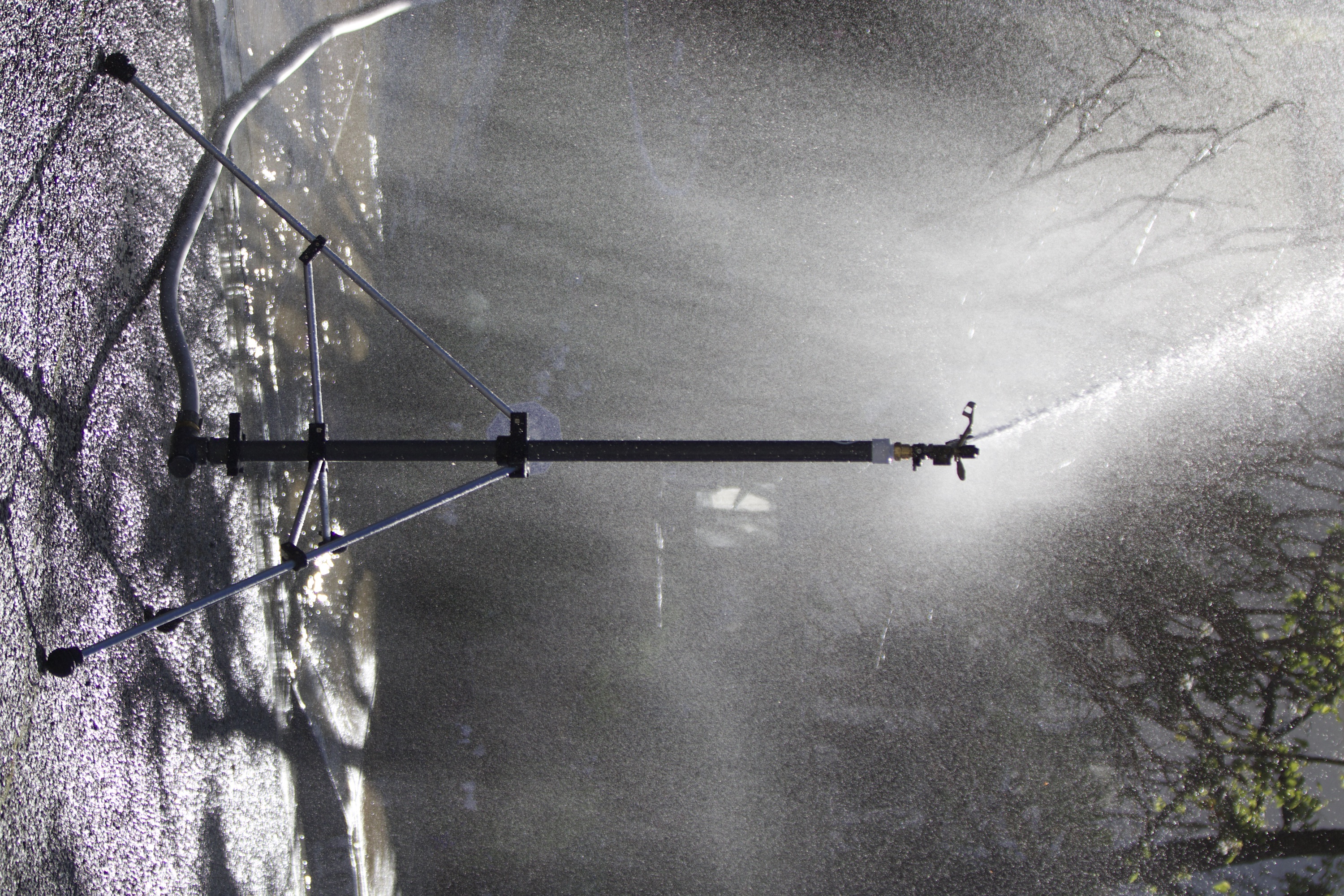
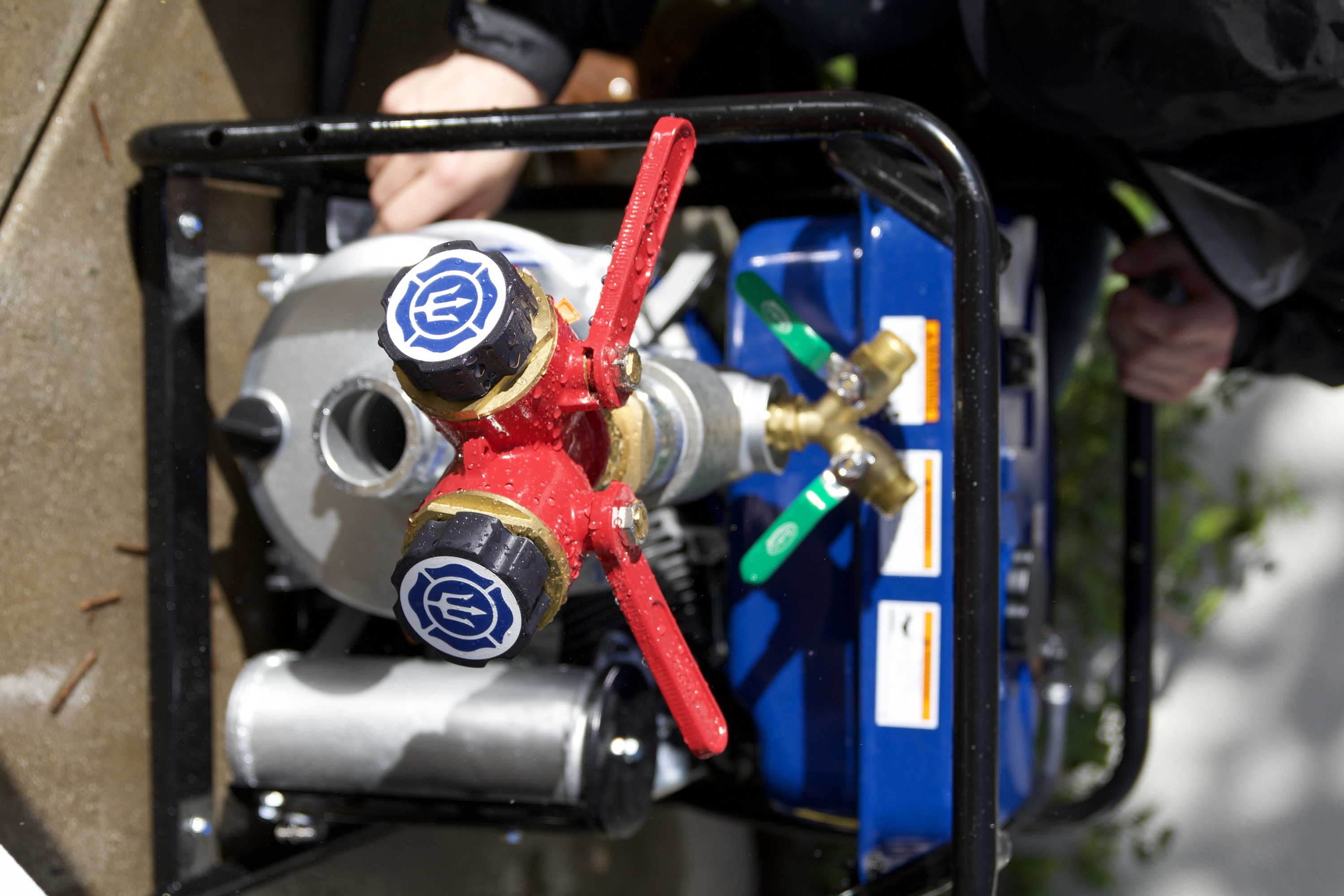
Available pressure, hose routing, stored water, and pumping support shape whether the proposed coverage is realistic under actual event conditions.
Light commercial properties often need layouts that work around occupancy, vehicle circulation, service access, or visual constraints.
Business operators often start by protecting the most exposed or highest-value zones first, then extend the system in planned stages.
If the core question is still "why active defense at all?", start with The Wildfire Problem.
Common Questions
Yes. Many sites begin by protecting the most exposed or highest-value areas first, then expand into broader zone coverage over time.
Not necessarily. One reason Trident plans site-specific layouts is to balance protection, access, and visual integration rather than forcing a one-size-fits-all hardware layout.
It depends on the site. Some properties benefit from modular kits for immediate readiness, while others need broader custom planning because of scale, water demands, or zone complexity.
Because multi-zone properties can quickly exceed the assumptions that work on a simple residential layout. Pressure, stored water, and pumping support all affect what is feasible.
Next Step
System
Review the technical model behind roof, eave, and directional ground-zone coverage.
Collaboration
See how Trident can fit alongside builders, contractors, and mitigation advisors.
Planning
Start a direct conversation about coverage priorities, water access, and phased deployment.