
Insurability
A clearer mitigation story
Homeowners often need a more concrete way to explain how the property is being hardened and how ignition risk is being actively reduced.
Use Case / Homeowners
Homeowners are no longer asking whether wildfire risk exists. They are asking what they can do about it when embers are already falling, insurance requirements are tightening, and passive prep alone no longer feels sufficient.
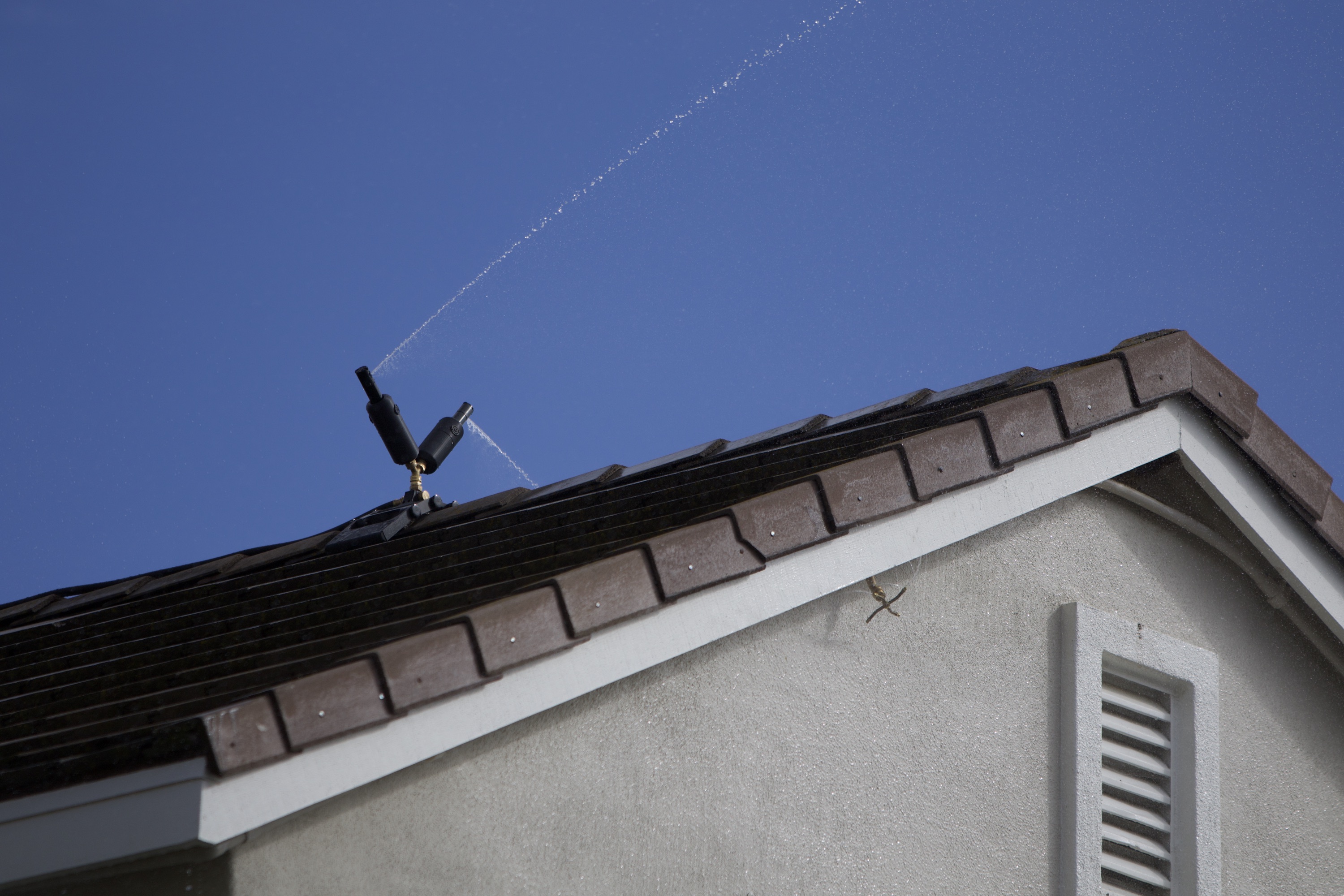
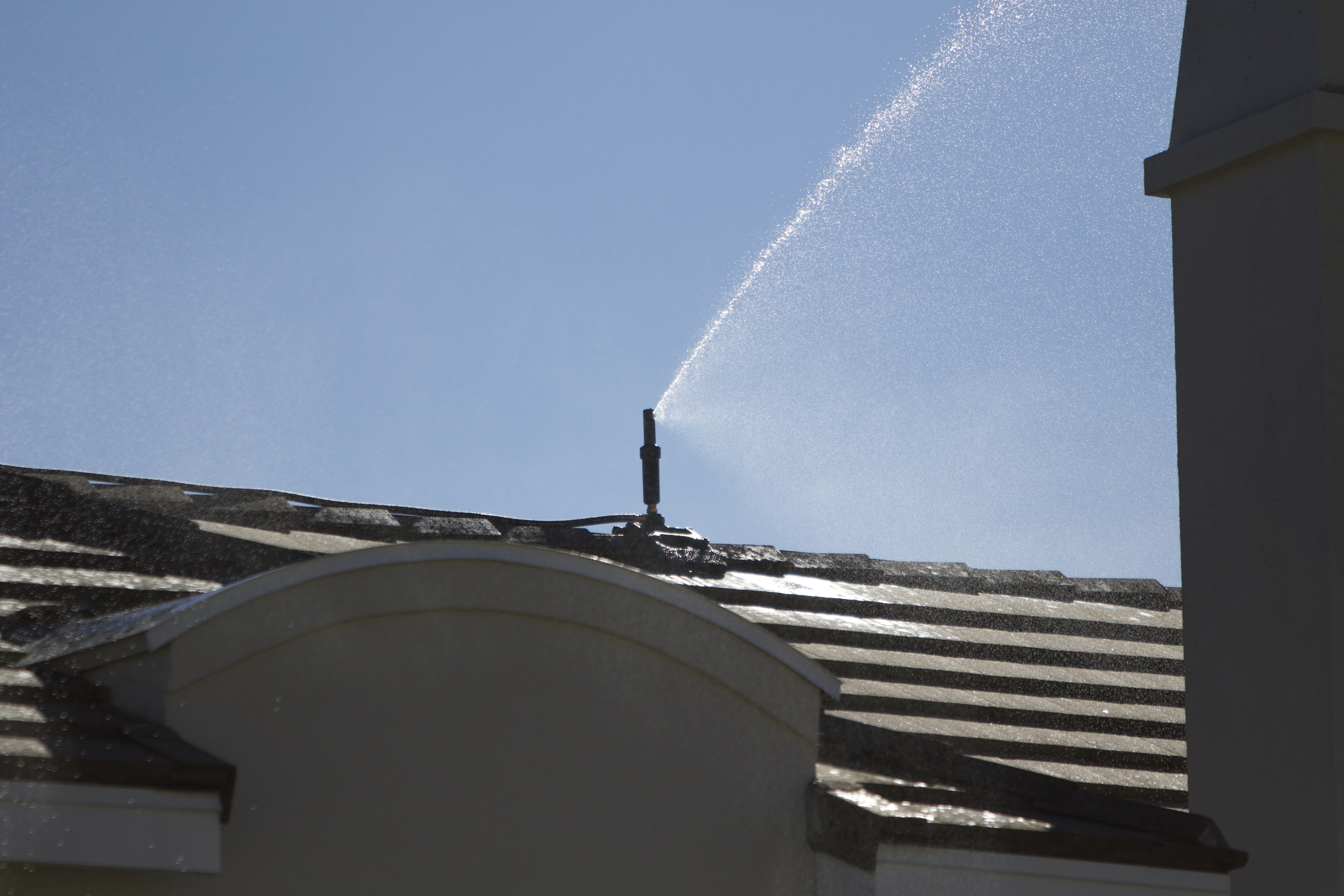
Trident helps homeowners think in practical terms: which surfaces need pre-wetting, what water access is available, how fast the system can be activated, and whether the right path is a modular kit, a custom layout, or a phased upgrade plan.
What Homeowners Need
Insurability
Homeowners often need a more concrete way to explain how the property is being hardened and how ignition risk is being actively reduced.
Readiness
The system has to be understandable, operable, and mapped before a red-flag event starts. A good plan is useless if activation is confusing.
Budget
Many homeowners want a phased path into active defense so they can start with the most exposed surfaces first and expand coverage over time.
Planning Path
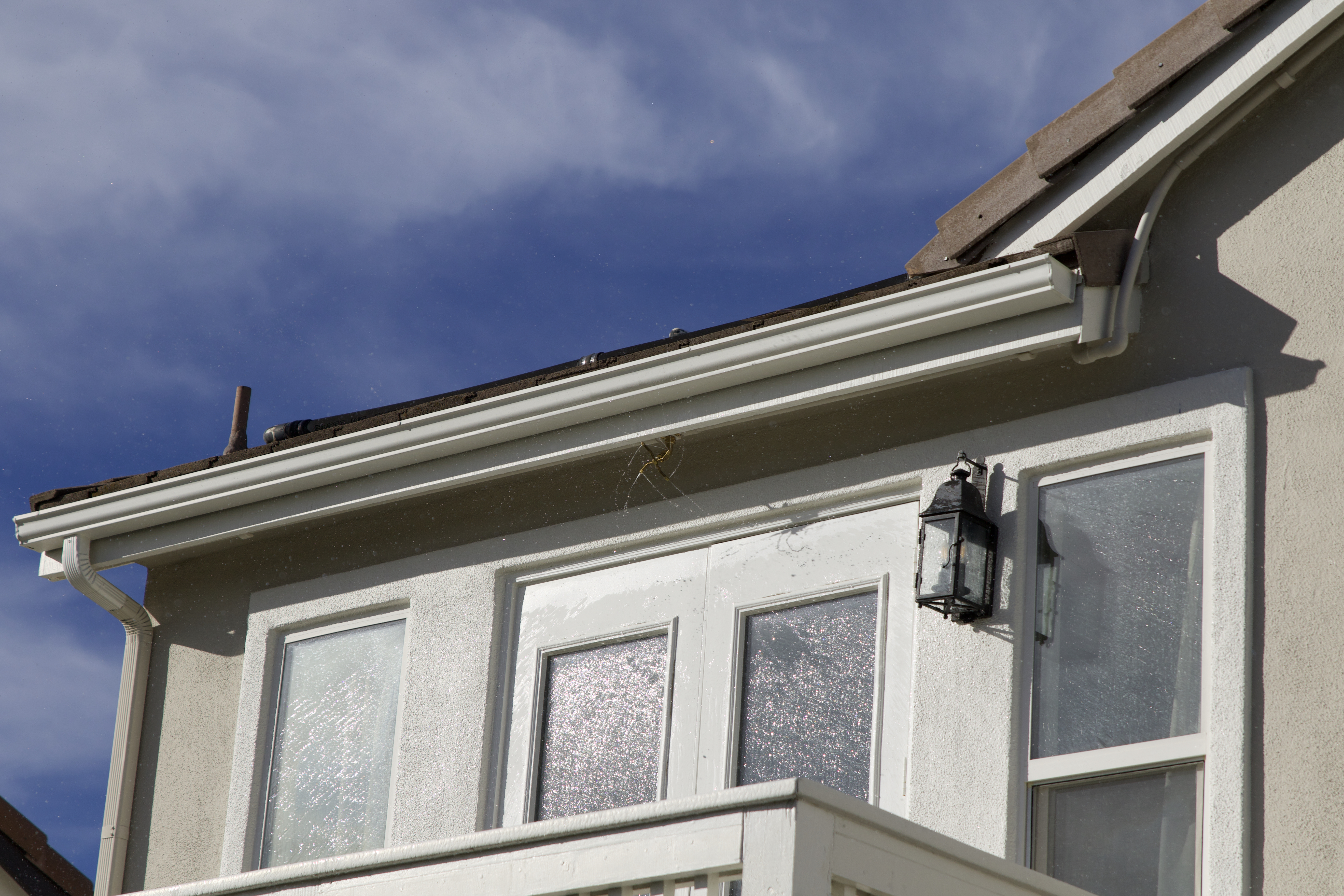
Roof ridges, eaves, decks, fences, and directional exposure zones are usually the first places homeowners need to think about because that is where embers often establish ignition.
Hose bibs, stored water, pools, pumps, and expected run time all affect what coverage is practical and how the activation sequence should be built.
Homeowners need a repeatable activation sequence, not a complex field procedure. The best plan is the one you can execute correctly under time pressure.
A homeowner may begin with modular kits for immediate readiness, then move into broader zone coverage, pumping support, or a more permanent integrated install.
If you need the technical rationale first, review The Wildfire Problem and The Solution to see how active exterior defense fits into a broader risk reduction strategy.
FAQ
Yes. Many homeowners start with modular kits for faster readiness and then expand coverage or move toward more permanent installation over time.
Priority usually goes to roof ridges, eaves, transitions, decks, fences, and directional exposure zones where embers are likely to accumulate.
A planned system can support underwriting conversations by giving homeowners a more concrete mitigation narrative, but it does not guarantee any specific insurance outcome.
Before fire season or underwriting deadlines, so the property can be mapped, equipped, and operational before red-flag conditions arrive.
Next Step
System
See how roof, eave, and tripod coverage work together around a home.
Consultation
Start a planning conversation about the property, timeline, and upgrade path.
Research
Browse broader questions about system design, kits, activation, and planning.