Builders
Projects that need wildfire resilience upgrades
New construction and retrofit teams that need active defense folded into a broader property plan.
Use Case / Partners
Trident can fit into broader wildfire mitigation workflows when a project needs active exterior defense thinking alongside design, construction, retrofit, or advisory work.
This page is for people evaluating how Trident might support a project or client relationship, whether the immediate need is site planning, modular kit deployment, specification input, or a path toward a broader custom install.
Who This Helps
Builders
New construction and retrofit teams that need active defense folded into a broader property plan.
Contractors
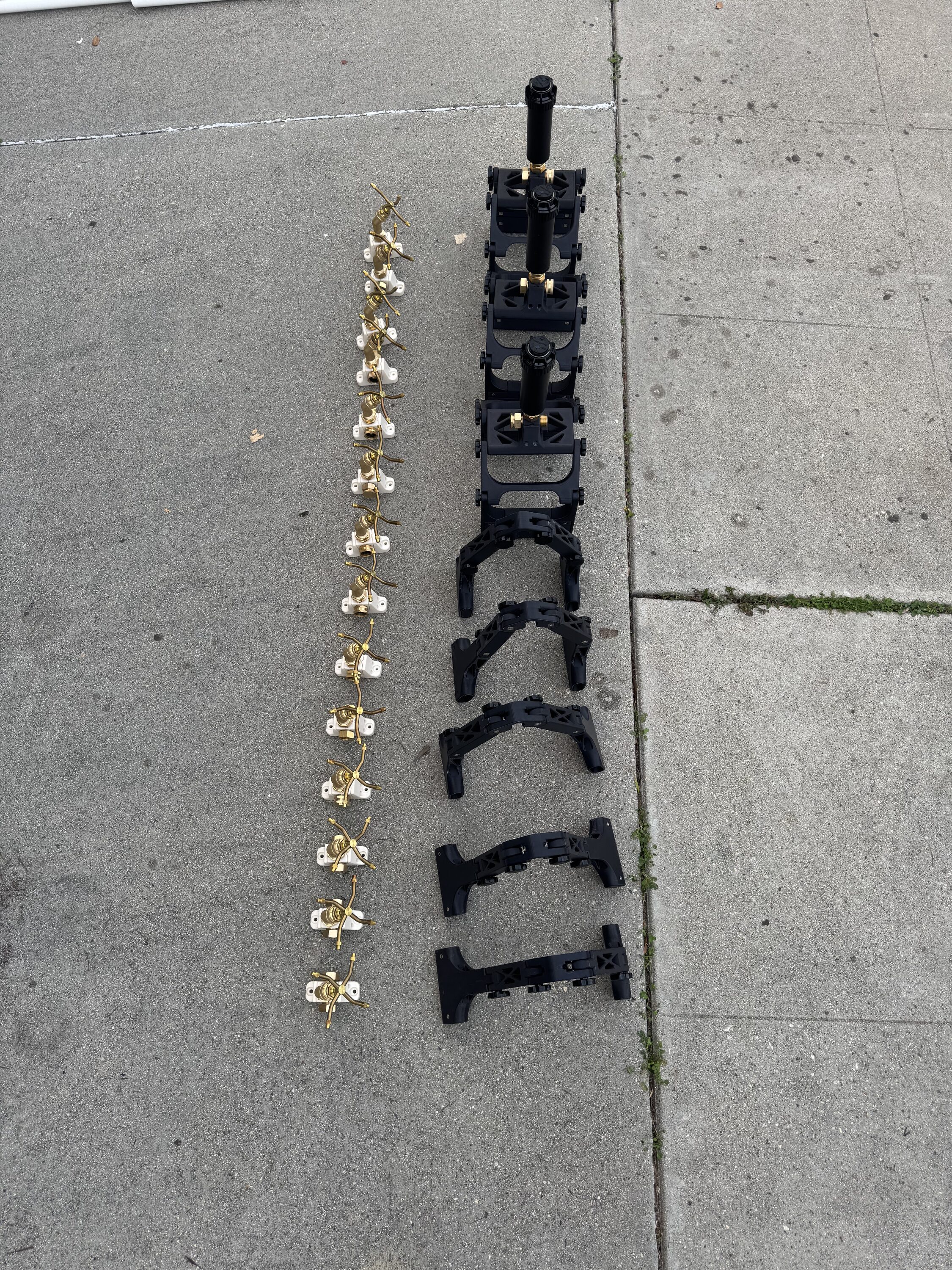
Teams that need to understand how kits, routing, and phased rollout can fit on a real property.
Consultants
Risk and hardening specialists who want a clearer active-defense layer in the recommendation set.
Operators
Owners, managers, and community operators working across insurance, budget, schedule, and safety needs.
Collaboration Models
Planning
Trident can help assess how active exterior defense fits the property's geometry, edge conditions, water access, and ignition-prone zones.
Deployment
Some projects need immediate action rather than long design cycles. Modular kit planning can create an early operational layer while broader work continues.
Expansion
Other properties need a more permanent outcome with broader coverage, automation logic, or more deliberate aesthetic integration.
What Makes Collaboration Work
Clarity around ownership keeps design choices, budget decisions, and activation planning aligned across the project team.
Some sites need immediate readiness for the coming season, while others are planning around longer construction or retrofit schedules.
Underwriting, permitting, advisory, or owner-facing conversations may all require different degrees of system explanation and property context.
The most durable collaborations recognize where the first protection layer should go now and what can reasonably wait for later project stages.
Next Step
Sites
See how Trident frames multi-zone planning for light commercial properties.
System
Understand the layered coverage model behind roof, eave, and tripod deployments.
Contact
Start a direct conversation about project scope, timing, and the right collaboration path.